
Leading Demolition Tools and Machinery for Heavy Projects
Identify essential equipment designed to tackle large-scale demolition tasks with power and precision.
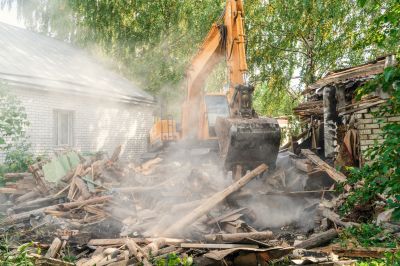 In the realm of demolition services, selecting the right equipment and tools is essential for ensuring safety, efficiency, and precision. From small-scale interior demolitions to large structural removals, having access to a diverse range of products can significantly impact project outcomes. Proper equipment not only facilitates the safe dismantling of structures but also helps in managing debris and minimizing potential hazards on-site. Whether you are a professional contractor or a DIY enthusiast, understanding the variety of available demolition products can aid in making informed decisions tailored to specific project needs.
Top Overall Option
Heavy-Duty Demolition Excavator
A versatile and powerful piece of machinery, the heavy-duty demolition excavator is designed to handle a wide range of demolition tasks. Equipped with various attachments such as hydraulic breakers and demolition arms, it allows operators to efficiently dismantle structures of different sizes and materials. Its robust build and advanced controls contribute to safer and more precise operations, making it a valuable asset on large demolition sites. Proper training and safety measures are essential when operating this equipment to ensure optimal performance and safety.
Types of Products For Demolition Service
Hydraulic Breakers
Hydraulic breakers attach to excavators and are used to break concrete, asphalt, and other hard materials efficiently.
Sledgehammers
Manual tools ideal for small-scale demolition and breaking up masonry or drywall.
Demolition Wedges and Spalls
Tools designed to assist in controlled splitting and removal of concrete or stone structures.
Reciprocating Saws
Power saws suitable for cutting through wood, metal, and other materials during demolition.
Rotary Hammers
Heavy-duty drills used to drill into concrete or brick, often with chipping functions for breaking materials.
Concrete Crushers
Specialized attachments or standalone units used to crush concrete debris into manageable sizes.
Dust Suppression Systems
Equipment designed to minimize dust during demolition, improving site safety and cleanliness.
Safety Gear
Protective equipment such as helmets, gloves, goggles, and respirators essential for worker safety.
Scaffolding and Support Structures
Temporary structures that provide safe access and support during demolition work.
Debris Removal Equipment
Tools and machinery like wheel loaders and dump trucks used for clearing debris from the site.
Popular Choices
Widely used for breaking concrete and asphalt in various demolition projects.
Commonly chosen for their versatility in cutting through different materials.
Preferred for their power and adaptability on large-scale demolition sites.
Essential protective gear for all demolition personnel to prevent head injuries.
Popular for maintaining a cleaner and safer work environment during demolition.
Effective for reducing concrete debris into manageable pieces for removal.
Commonly used to provide safe access to elevated demolition areas.
Used for detailed demolition work on masonry or stone structures.
Versatile for debris collection and site clearing tasks.
Important for protecting hands during manual demolition activities.
Hand tools for prying and removing materials in tight spaces.
Provide power to tools and equipment in remote demolition sites.
Used to lift heavy debris or materials safely during demolition.
Attachments for cutting and demolishing steel structures.
Ensures adequate visibility in poorly lit demolition areas.
Used for preparing surfaces after demolition or for foundation work.
Help cordon off hazardous areas to prevent unauthorized access.
Demolition tools and equipment vary widely in size, function, and complexity. Heavy machinery like excavators and bulldozers are often used for large-scale projects, while handheld tools such as sledgehammers and rotary hammers are suitable for more detailed work. Safety gear, including protective helmets, gloves, and eye protection, is equally vital to ensure worker safety during demolition activities. Additionally, specialized attachments like hydraulic breakers or demolition blades can enhance the versatility and effectiveness of standard machinery.
When planning a demolition project, it is important to consider factors such as the type of structure, material composition, and the scope of work. Proper planning involves selecting the right tools that match the project's demands, ensuring compliance with safety standards, and understanding the operational limitations of each product. Investing in quality equipment can streamline the process, reduce labor time, and help achieve cleaner, more controlled demolitions. Being well-informed about the available products ensures that projects are completed efficiently while maintaining safety and quality standards.
Key Buying Considerations
- Assess the scale and scope of your demolition project to determine the appropriate equipment size and capacity.
- Consider the type of materials involved, such as concrete, steel, or wood, to select suitable tools and attachments.
- Evaluate safety features and certifications to ensure compliance with local regulations and safety standards.
- Determine whether manual, electric, or fuel-powered equipment best fits your operational environment and mobility needs.
- Check for compatibility of attachments and accessories with existing machinery or tools.
- Prioritize equipment with adjustable settings for versatility across different tasks.
- Review the ease of operation and maintenance requirements to minimize downtime and training costs.
- Consider the availability of spare parts and customer support from suppliers.
- Estimate your budget while balancing quality and durability of the equipment.
- Look into the weight and maneuverability of machinery for ease of transport and setup.
- Verify noise and vibration levels, especially for indoor or sensitive environments.
- Ensure that safety gear and protective equipment are compatible with the tools being used.
- Assess the environmental conditions of the work site, such as confined spaces or uneven terrain.
- Explore rental options if the project duration is short to reduce upfront costs.
- Research local regulations regarding demolition equipment and waste disposal to ensure compliance.